

Devon Workman | June 2, 2026 | Car Accidents
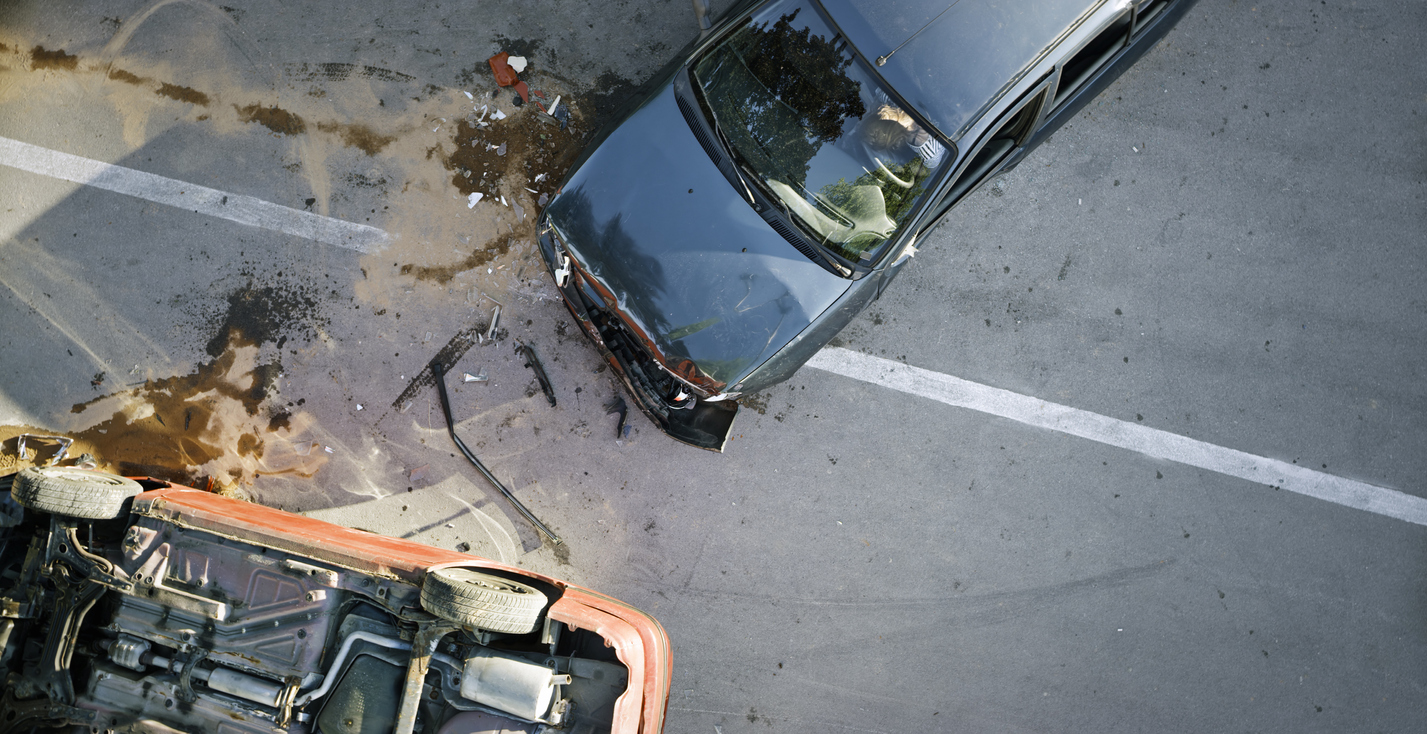
T-bone accidents, also known as side-impact collisions, are among the most dangerous types of motor vehicle crashes. These accidents occur when the front of one vehicle strikes the side of another, forming a “T” shape upon impact. Since the sides of a vehicle offer less protection than the front or rear, occupants often face a higher risk of serious injury.
Understanding the injuries commonly associated with T-bone accidents can help victims recognize the need for medical attention and understand the potential long-term consequences of these crashes.
Head and Brain Injuries
One of the most common injuries resulting from a T-bone accident is a head injury. The force of the collision can cause occupants to strike the window, door frame, steering wheel, or other interior surfaces. Even when there is no direct impact to the head, the sudden movement of the brain inside the skull can lead to serious trauma.
Common head and brain injuries include:
- Concussions
- Traumatic brain injuries
- Skull fractures
- Contusions (brain bruising)
- Cognitive impairments
Symptoms may include headaches, dizziness, confusion, memory problems, and difficulty concentrating. In severe cases, brain injuries can result in permanent disability and require extensive rehabilitation.
Neck and Whiplash Injuries
Although whiplash is often associated with rear-end collisions, it can also occur in T-bone accidents. The sudden sideways movement of the body can place significant strain on the muscles, tendons, and ligaments in the neck.
Common neck injuries include:
Victims may experience pain, stiffness, reduced range of motion, and chronic discomfort. Some neck injuries may not present symptoms immediately, making prompt medical evaluation important after any side-impact crash.
Spinal Cord and Back Injuries
The tremendous force generated in a T-bone collision can affect the spine and back. Injuries can occur when the body is violently twisted or compressed during impact.
Common spinal and back injuries include:
- Herniated or bulging discs
- Vertebral fractures
- Nerve damage
- Spinal cord injuries
- Lower back strains
Severe spinal cord injuries may result in partial or complete paralysis. Even less serious back injuries can cause chronic pain and limit a person’s ability to work or participate in everyday activities.
Chest and Rib Injuries
During a side-impact crash, occupants may be thrown against the vehicle door, seatbelt, or center console. This can cause significant trauma to the chest area.
Common chest injuries include:
- Broken ribs
- Bruised ribs
- Collapsed lungs
- Internal bleeding
- Sternum fractures
Chest injuries can be particularly dangerous because they may affect breathing and damage vital organs. Immediate medical attention is often necessary to prevent complications.
Shoulder and Arm Injuries
When drivers and passengers instinctively brace for impact, their arms and shoulders can absorb substantial force. Additionally, direct contact with the door or other vehicle components can lead to fractures and soft tissue injuries.
Frequently reported injuries include:
- Broken arms
- Shoulder dislocations
- Rotator cuff injuries
- Torn ligaments
- Wrist fractures
These injuries may require surgery, physical therapy, and extended recovery periods.
Pelvic and Hip Injuries
Since the point of impact in a T-bone collision is often close to the lower body, pelvic and hip injuries are relatively common. The pelvis is a strong structure, but the force of a side-impact crash can still cause significant damage.
Examples include:
- Pelvic fractures
- Hip fractures
- Soft tissue damage
- Nerve injuries
Pelvic injuries can be extremely painful and may require lengthy treatment and rehabilitation.
Internal Organ Damage
Not all injuries from a T-bone accident are immediately visible. Internal injuries can be especially dangerous because symptoms may develop gradually after the crash.
Potential internal injuries include:
- Liver damage
- Kidney injuries
- Spleen injuries
- Internal bleeding
- Lung trauma
Without prompt diagnosis and treatment, internal injuries can become life-threatening. Anyone involved in a side-impact collision should seek medical evaluation, even if they initially feel fine.
Cuts, Lacerations, and Facial Injuries
Broken glass, deployed airbags, and flying debris often contribute to cuts and facial injuries during T-bone accidents.
Common injuries include:
- Deep lacerations
- Facial fractures
- Eye injuries
- Dental damage
- Permanent scarring
While some wounds may heal relatively quickly, others can leave lasting cosmetic and emotional effects.
Contact the Fort Lauderdale Car Accident Lawyers at Workman Car Accident & Personal Injury Lawyers for Legal Help Today
T-bone accidents often result in severe injuries because vehicle occupants have less protection from side impacts. The effects of these collisions can be extensive and long-lasting. Seeking immediate medical attention after a side-impact crash is essential for protecting your health and documenting injuries.
If you have been injured in a T-bone accident caused by someone else’s negligence, Workman Car Accident & Personal Injury Lawyers can help you understand your legal options and pursue the compensation you may be entitled to receive. Contact us today for a free consultation with a Fort Lauderdale car accident lawyer.
We proudly serve Fort Lauderdale, Clermont, and the surrounding areas throughout Florida.
Workman Car Accident & Personal Injury Lawyers Fort Lauderdale
2312 S Andrews Ave, Fort Lauderdale, FL 33316
(954) 361-3997

Workman Car Accident & Personal Injury Lawyers Clermont
1655 E Hwy 50 ste 316, Clermont, FL 34711
(352) 773-3866